Author: Gugan

The "flap jack cactus" (Kalanchoe luciae), also commonly known as the Flapjack Plant, is actually a succulent rather than a true cactus and belongs to the Crassulaceae family. Kalanchoe luciae is popular as a household and garden plant due to its bright colouring...

As the warmer months approach, increased sun exposure becomes a concern for many people, with sunscreen commonly used to prevent sunburn and reduce the risk of skin cancer. However, it is important to remember that some sunscreen products can be toxic to pets...

Please be aware that snake encounters are becoming more frequent again as the weather starts to warm across many parts of Australia. All snake bites, including suspected bites, should be considered life-threatening. Small animals may be bitten multiple times...

Homemade play dough is a favourite activity for many families, but it can pose a significant poisoning risk if curious pets decide to have a taste. Most homemade play dough recipes contain flour, salt, water, vegetable oil, cream of tartar (potassium bitartrate), food ...

Reed diffusers are a popular way to keep homes smelling fresh, but they can pose a risk to curious pets. Many people are aware that the fragrance or essential oils in these products can cause problems if licked or ingested. However, the liquid inside reed...

DEET (N,N-diethyl-m-toluamide) is a widely used insect repellent that helps protect against mosquitoes, ticks, fleas, and flies. In Australia, products contain anywhere from lower concentrations (around 10%) to highly concentrated formulations (up to 80%) and are...

With mushroom season approaching, the Animal Poisons Helpline is noting an increase in cases and calls following mushroom ingestions in companion animals, most commonly dogs. The mushroom in the attached image is Galerina marginata, commonly known...

Cigarettes are commonly and accidentally ingested by pets and can lead to unexpected poisoning in many domestic animals, including dogs, cats, and birds. While used cigarettes may seem harmless, they can still be toxic if chewed or eaten. All parts of a cigarette...

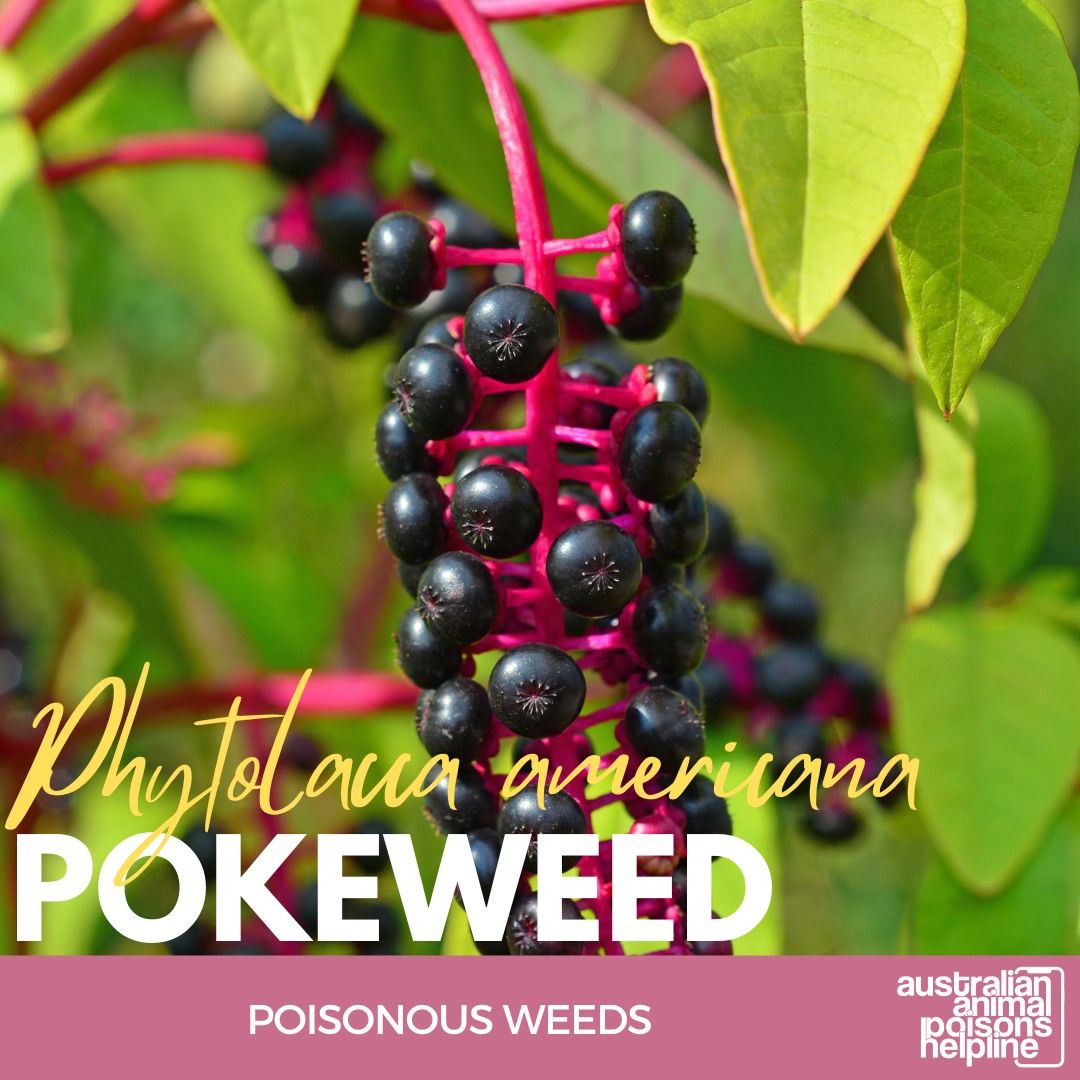
Pokeweed (Phytolacca americana) is a large, toxic perennial plant native to North America that has been introduced to Australia. It is easily recognised by its bright green, elliptical leaves and green to white flowers, which mature into red-purple berries borne in elongated...

Privet berries, produced by plants in the Ligustrum genus, start off green and ripen to a dull purple colour as they mature. Typically fruiting during autumn and winter, privets are common garden and landscaping plants, grown for their glossy green leaves and attractive...